ASTM D3078
Standard test method for determining gross leaks in flexible packaging by bubble emission.
In the medical industry, the integrity of packaging is essential to ensure that medical devices remain sterile, safe, and effective. Whether it’s a catheter, fluid bag, or prefilled syringe, packaging must be securely sealed to protect the contents from contamination and maintain the product’s efficacy. Medical device packaging leak detectors are crucial tools in ensuring that the packaging used for medical devices is leak-free, thus ensuring patient safety and maintaining regulatory compliance.
This article will explore the importance of medical device packaging leak testers, how they work, and why they are essential for maintaining the integrity of medical devices in both the pharmaceutical and healthcare industries.
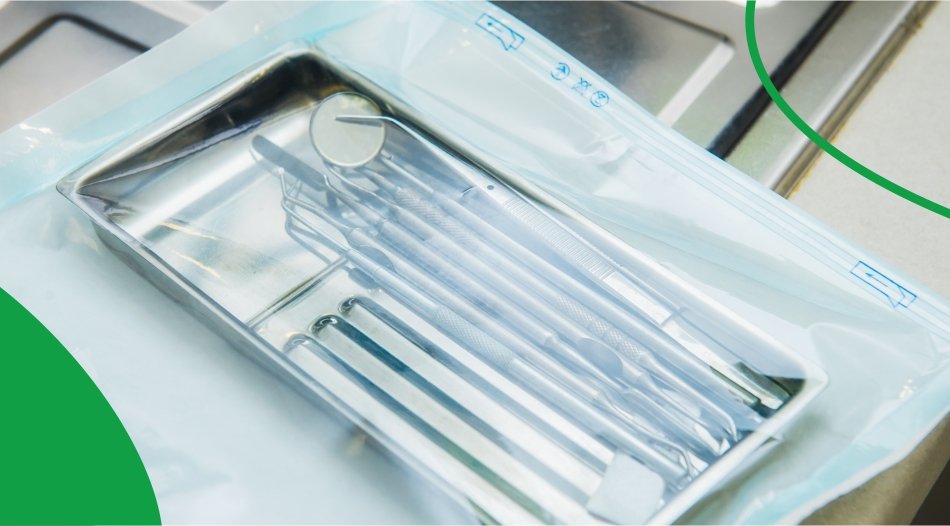
Standard test method for determining gross leaks in flexible packaging by bubble emission.
Detection of gross leaks in packaging by internal pressurization (bubble test).
The SEAL-CHECK Seal Integrity Tester is a versatile and dependable solution engineered for precise seal integrity inspection and leak detection across a wide variety of packaging types. Designed for industries that demand the highest levels of product safety and quality, this advanced seal integrity tester provides accurate, repeatable results to ensure that every package meets strict performance and compliance standards.
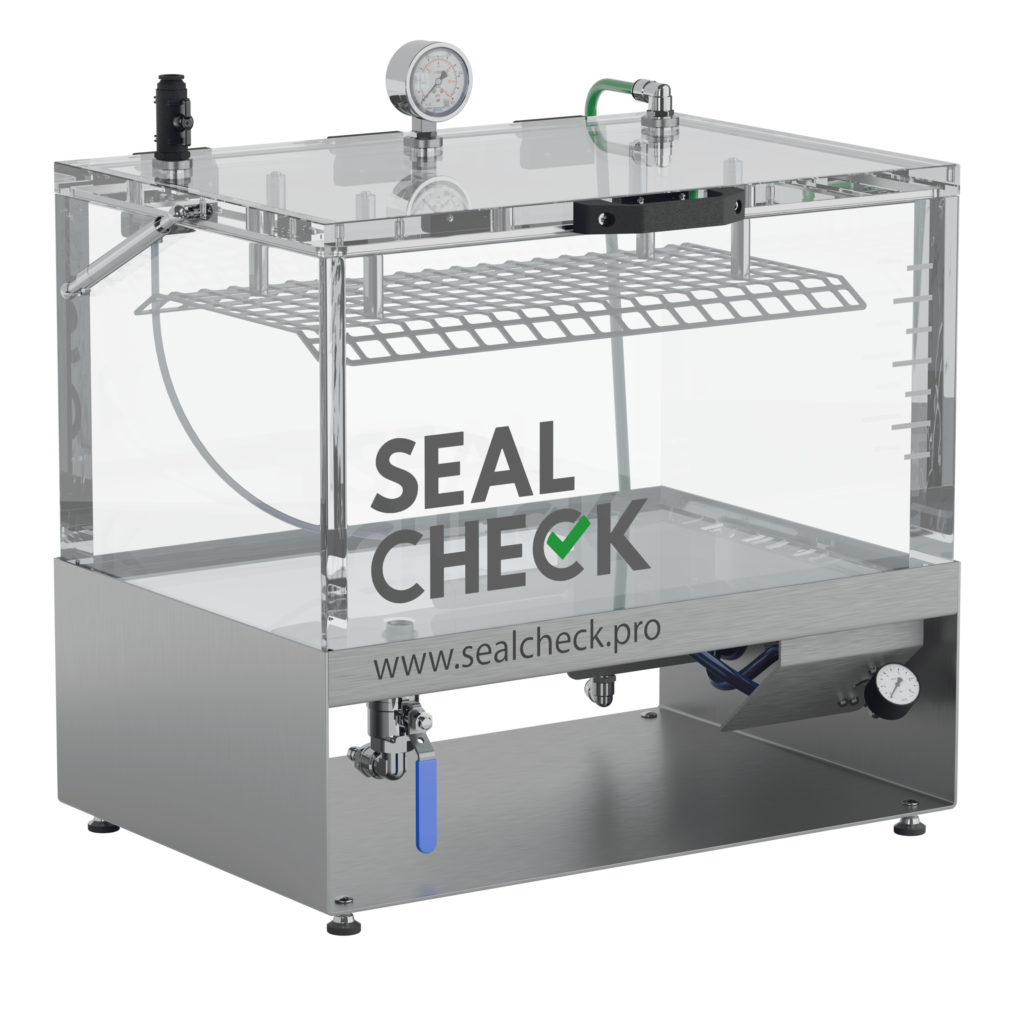
A medical device packaging leak tester is a specialized device used to test the packaging integrity of medical devices during production. It ensures that the packaging is sealed correctly and does not allow external contaminants, air, or moisture to penetrate. These testers play a crucial role in verifying the safety and quality of the medical devices inside.
The primary function of a medical device packaging leak detector is to identify small leaks or faults in the packaging that could compromise the sterility and safety of the device. The device typically uses various testing methods to check the packaging’s strength and seal, ensuring that it meets the stringent quality standards required in the medical sector.
Share a few details and our team will recommend the right Seal-Check configuration — typically within one business day.
Leak detection is essential in the medical sector because packaging failure can have serious consequences, including contamination, degradation of the product, and even patient harm. Here’s why medical device packaging leak testers are critical:
Retains Brand Validity:
Medical device manufacturers must adhere to strict regulations to ensure product safety. Failure to maintain packaging integrity can lead to product recalls, legal action, and damage to the brand’s reputation. By using leak detectors, manufacturers can prevent packaging failures that could compromise the safety of patients and the reliability of the brand.
Prevents the Production of Compromised Devices:
A properly sealed package is crucial for maintaining the sterility of medical devices. Packaging failures—whether from faulty seals, punctures, or weak spots—can expose the device to contamination. A leak detection device helps prevent these issues by identifying weak points early in the manufacturing process, ensuring that only leak-free products are delivered to the market.
Reduces Operator Efforts and Increases Efficiency:
Manual inspection for leaks is time-consuming and error-prone. A medical device packaging leak tester automates the testing process, reducing the need for manual labor and increasing the throughput of tests. With an automated leak detection system, manufacturers can test multiple packages simultaneously and identify defects in real time, making the production process more efficient and reliable.

Leak testing for medical devices is an essential part of quality control. The process involves using a vacuum or pressure-based leak detection system to detect even the smallest leaks in the packaging. Here’s how it typically works:
The medical device package is placed inside a test chamber. This chamber may either be filled with dry air or water, depending on the testing method being used.
The test chamber is sealed, and a vacuum is created to reduce the pressure inside. This simulates the conditions the packaging might encounter during transport or storage.
If there is a leak, air or gas will escape from the package, creating visible bubbles in the water or a pressure drop in the chamber. This is typically detected using sensors or visual inspection. For some devices, advanced electrical conductivity or pressure differential methods can be used to detect leaks without damaging the packaging.
Once a leak is detected, the system automatically rejects the faulty package, ensuring that only those with an intact seal continue to the next stage of production. This helps eliminate the risk of defective packages reaching consumers or healthcare providers.
Leak testing is not limited to pharmaceutical and medical devices; it also plays a significant role in the food packaging industry. Both food and pharmaceutical products must be sealed tightly to prevent contamination and preserve shelf life.
Pharmaceutical Industry:
Medical devices, especially injectables and sterile instruments, require airtight packaging to maintain their sterility and functionality. Leaks can introduce contaminants that compromise the safety and effectiveness of the product, leading to health risks for patients.
Food Industry:
Just like in the pharmaceutical industry, food products, particularly those that are prepackaged or require sterilization, must undergo rigorous packaging tests to ensure that the packaging does not leak and that the contents remain safe for consumption.
In both industries, medical device packaging leak testers help prevent contamination, maintain product quality, and ensure compliance with stringent health and safety regulations.
Enhanced Safety and Compliance:
Leak testing ensures that the packaging maintains its integrity, preventing any breaches that could compromise the safety and sterility of medical devices and medications.
Prevention of Contamination:
For medical devices, contamination can occur from environmental factors such as moisture, air, or microorganisms. Leak detection helps ensure that no external factors can enter the packaging and affect the device’s safety.
Cost-Effective Production:
By automating the leak detection process, manufacturers can increase their testing throughput while reducing labor costs. The early detection of leaks also prevents costly recalls and ensures that only high-quality products reach the market.
Regulatory Compliance:
Many countries require medical devices to meet specific packaging standards to ensure patient safety. Using leak detection systems helps manufacturers stay compliant with these standards and avoid penalties.
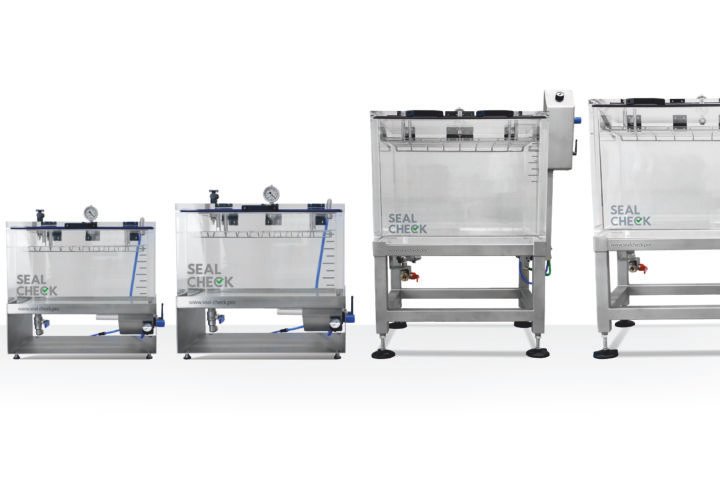
In the medical industry, the safety and effectiveness of devices depend heavily on the quality of their packaging. Leaky packaging can lead to contamination, compromised products, and potential harm to patients. By using a medical device packaging leak tester, manufacturers can ensure that their products are properly sealed, safe for use, and meet the highest industry standards.
At Seal-Check, we offer advanced leak detection systems designed to help pharmaceutical companies and medical device manufacturers maintain the integrity of their products. Our leak testers are fast, accurate, and reliable, making them an essential part of any quality control process.
For more information or to request a quote, contact us today at sales@seal-check.pro or call +370 689 24325. Let us help you protect your products, brand reputation, and most importantly, patient safety with our reliable medical device packaging leak testers.
The benefits of using a Medical Device Packaging Leak Detector include ensuring the safety and quality of medical devices, preventing contamination and spoilage, reducing waste and cost associated with faulty packaging, and complying with regulatory standards and requirements. Medical device packaging leak detectors can also detect leaks in various types of packaging, allowing for comprehensive testing of medical devices.
A Medical Device Packaging Leak Detector works by subjecting the sealed medical device packaging to a controlled amount of pressure or vacuum and then measuring any changes in pressure that occur. If there is a leak in the packaging, the pressure will change, indicating that the seal is not intact. This helps to ensure that the medical device is free from leaks and that the product inside is safe and of high quality.
The results of a Medical Device Packaging Leak Test are interpreted based on the method used for testing. Generally, a pass/fail criteria is used, with a pass indicating that the medical device packaging is intact and a fail indicating that there is a leak. The magnitude of the pressure change and the rate of pressure change can also provide additional information about the severity and location of any leaks. The test results should be analyzed by a trained operator or quality control personnel to determine the appropriate action to take.